Australia has witnessed a significant shift in the textile industry with the rise of direct-to-film (DTF) printing, marking a new era for entrepreneurs and creative designers alike. The boom in DTF wholesale Australia has become a focal point for businesses looking to streamline production, reduce costs, and deliver high-quality garment prints. This innovative technique has transformed how designs are applied to textiles, pushing boundaries in fashion and custom branding.
What is Direct-to-Film Printing?
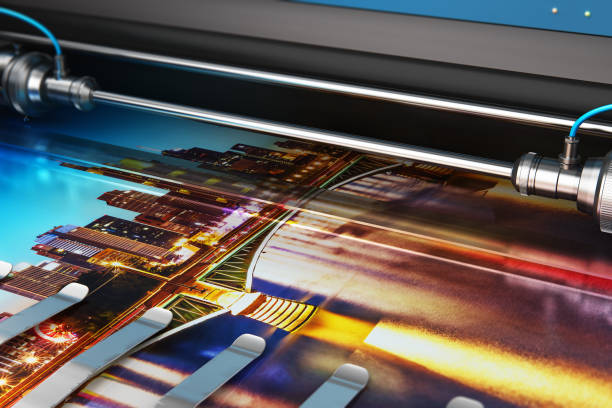
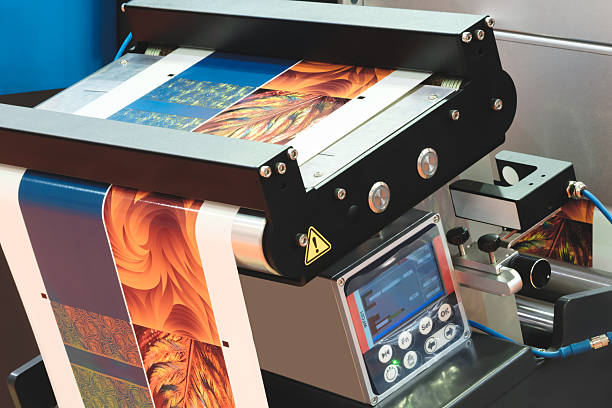
Direct-to-film printing is a cutting-edge technique that involves printing a design onto a special film, then transferring it directly onto fabric using a heat press. Unlike traditional methods such as screen printing or direct-to-garment printing, DTF printing offers greater flexibility, enabling higher-quality images with vibrant colours and fine details on a wide range of fabrics.
Advantages of DTF Printing for Businesses
One of the key attractions of DTF printing is its versatility. Businesses that adopt this technology can produce custom designs on various materials, including cotton, polyester, blends, and even items like leather or nylon. This adaptability makes it ideal for sportswear brands, fashion labels, and companies specialising in promotional items.
Moreover, DTF printing does not require the extensive setup and equipment costs associated with traditional methods. This advantage makes it more accessible to small businesses and startups eager to enter the competitive textile market. The technology supports short-run orders efficiently, allowing companies to respond swiftly to market demands and trends.
Technological Innovations and Accessibility
The rapid advancements in DTF technology have made it more accessible to a broader range of businesses. Modern DTF printers are equipped with improved ink formulations and transfer films, resulting in outstanding print durability and washability. These improvements ensure that designs maintain their integrity, resisting cracking and fading over time, which is a critical factor for consumer satisfaction.
Technological innovations have also streamlined the process, with many DTF printers being compatible with various design software. This compatibility allows artists and designers to unleash their creativity without the constraints imposed by older printing methods.
The Wholesale Aspect: Opportunities and Challenges
In Australia, the rise of DTF wholesale markets has opened up new avenues for bulk purchasing, which enables businesses of all sizes to reduce costs and improve profit margins. By purchasing wholesale, companies can access the latest technologies and high-quality materials at reduced prices, providing a competitive edge.
However, as the demand for DTF grows, so does the competition among wholesalers. Businesses must navigate the challenges of choosing reliable suppliers, ensuring consistent quality, and managing supply chain logistics. Establishing strong partnerships and thorough vetting processes is essential for those wishing to benefit from wholesale opportunities without encountering pitfalls that could disrupt production.
Environmental Impact and Sustainability
As with any industry, sustainability is becoming an essential consideration for DTF printing in Australia. Many in the sector are investing in eco-friendly practices, such as using water-based inks and recyclable films, to minimise their environmental impact. These practices not only appeal to environmentally conscious consumers but are also increasingly becoming a regulatory requirement.
While DTF printing inherently reduces waste compared to traditional screen printing due to its precise application method, the industry continues to innovate. Companies are exploring methods to further reduce their carbon footprint through efficient use of resources and the development of biodegradable materials.
Customisation and Personalisation: Meeting Consumer Demands
The modern consumer demands uniqueness, making customisation and personalisation key drivers in the DTF printing market. DTF technology effortlessly meets these demands, allowing businesses to offer personalised products that cater to individual tastes and preferences. This capability is particularly beneficial in fashion, where trends are fleeting, and consumer demands shift rapidly.
By leveraging DTF printing, businesses can offer limited edition designs, collaborate with artists for exclusive series, or even allow consumers to create their own custom graphics. This level of personalisation not only boosts consumer engagement but also fosters brand loyalty.
Future Trends in DTF Printing
Looking ahead, the future of DTF printing in Australia looks promising. Continued innovation in printer technology, coupled with advancements in ink and film quality, will likely lead to even greater adoption rates. Additionally, as the industry responds to sustainability challenges, we can anticipate further moves towards greener practices.
The demand for interoperability with digital platforms and e-commerce solutions is also expected to drive innovation. As businesses seek seamless integration between their product offerings and online consumer experiences, DTF printing will play a crucial role in bridging the gap between digital concepts and tangible products.
Conclusion
Although the future is bright, the success of DTF printing in Australia will depend on the industry’s ability to adapt to evolving consumer expectations, sustainability goals, and technological advancements. By fostering innovation and maintaining a keen focus on quality and environmental impact, DTF Wholesale Australia can continue to flourish, driving economic growth and creativity across the nation’s textile sector.