
Wheelie bins have become a central feature of waste management systems throughout the United Kingdom. Their introduction addressed the inefficiencies associated with traditional waste disposal methods and contributed to more organised, sanitary urban environments. Over time, these containers have undergone numerous improvements, reflecting both technological advancements and evolving approaches to environmental management. Their role extends beyond mere storage; they shape household behaviours, community practices, and municipal operations.
Origins and Historical Background
Before the widespread use of wheelie bins, waste disposal relied heavily on sacks, open containers, or communal bins. These methods frequently resulted in unsanitary conditions, attracting pests and creating health hazards for local populations. Public authorities and health organisations faced growing pressure to develop a system that was both practical and hygienic. In the late 20th century, the wheelie bin emerged as a practical response, offering a durable, mobile solution for collecting domestic and commercial waste. Its introduction coincided with broader public health campaigns and environmental regulations, signalling a more structured approach to refuse management.
Design Features and Functional Improvements
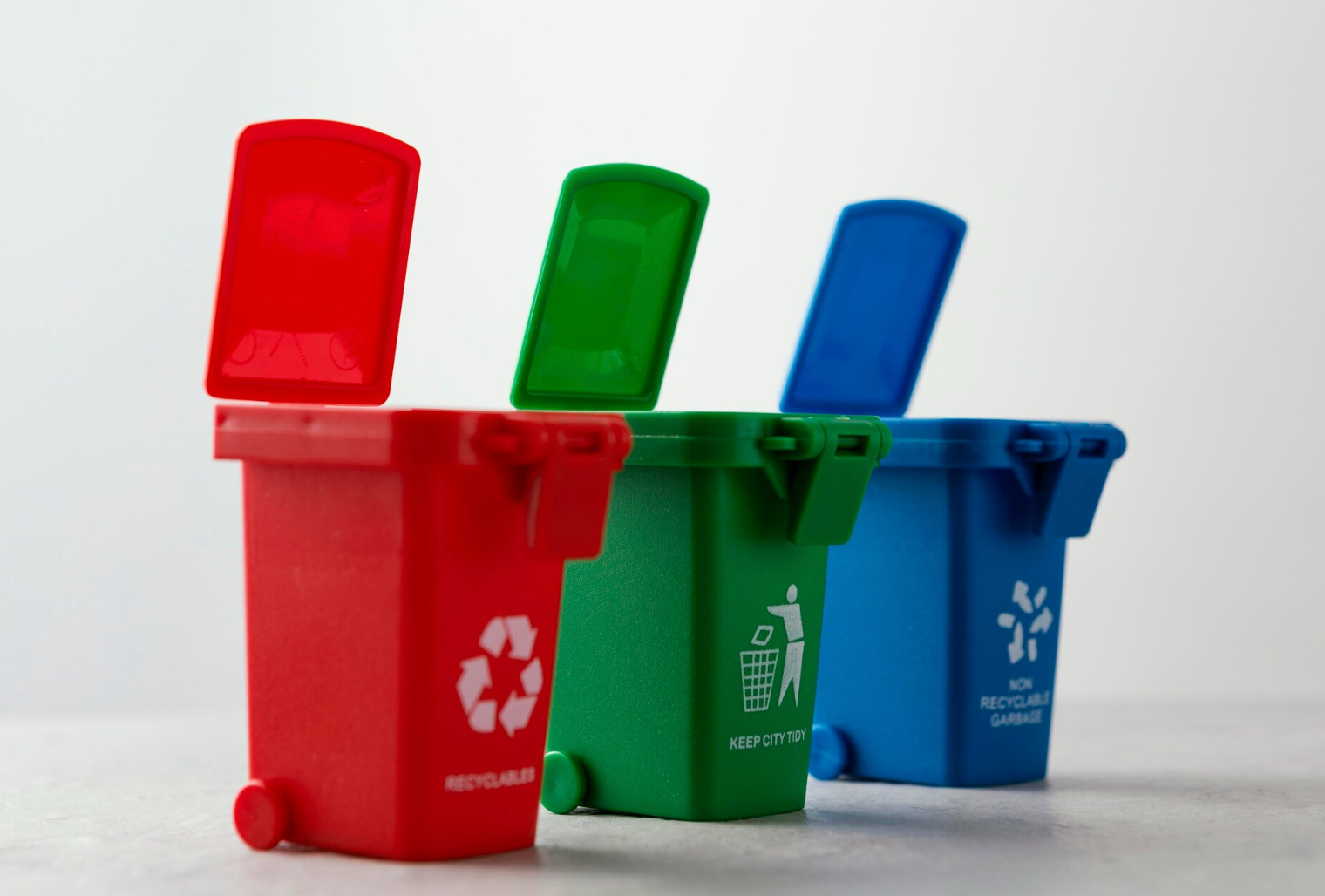
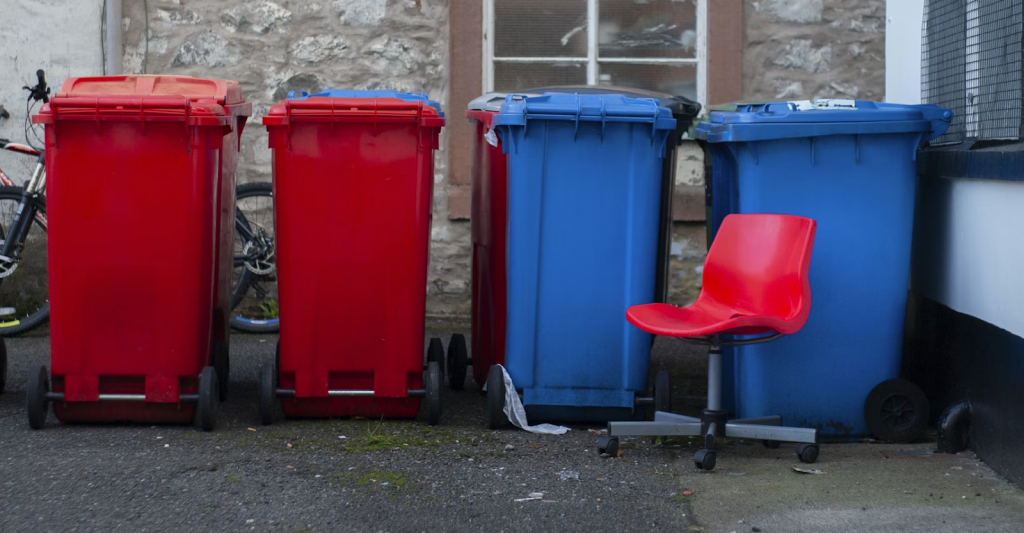
Wheelie bins are designed with mobility, strength, and user convenience in mind. Constructed from resilient plastics, they typically feature two rear wheels and a handle, making transportation from home or business premises to collection points straightforward. They are available in a range of sizes, allowing for varying waste volumes, and are commonly colour-coded to separate general waste, recyclables, and compostable materials. Colour differentiation supports recycling programmes by simplifying the sorting process for households and commercial establishments alike. Beyond their practicality, the design of wheelie bins has evolved to address durability, resistance to weather conditions, and safety considerations, ensuring they remain functional over long periods.
Environmental Contributions
The introduction of wheelie bins has directly supported waste segregation and recycling initiatives. Many local councils provide separate containers for paper, plastics, metals, and food waste, which encourages sorting at the source. This separation reduces contamination of recyclable materials, improves the efficiency of recycling facilities, and diminishes the volume of waste directed to landfills. The consistent presence of these bins has also led to cleaner streets, as littering decreases when accessible containers are available for public use. Their role in environmental management extends beyond recycling; by promoting organised disposal, they reduce the risk of environmental pollution and contribute to broader efforts aimed at resource conservation.
Regulations and Public Engagement
Local and national regulations underpin the use of wheelie bins, establishing rules for waste collection schedules, bin placement, and proper segregation. Compliance with these standards ensures waste is managed in line with environmental and public health requirements. Alongside these legal frameworks, public awareness campaigns inform residents about effective waste practices. These initiatives highlight not only the correct use of bins but also the impact of responsible waste management on communities and the environment. By combining legal obligations with educational outreach, authorities have reinforced the importance of proper waste handling in daily life.
Technological Developments
In recent years, wheelie bins have incorporated technology to improve operational efficiency. Some councils have adopted bins equipped with RFID (Radio Frequency Identification) chips, allowing waste management teams to track collection frequency and waste production. Data gathered from these bins can guide route planning, reduce collection costs, and optimise service delivery. Future iterations may integrate sensors to detect fullness or misuse, providing real-time information to authorities. Advances in materials science are also under consideration, offering opportunities for bins to become more durable while minimising environmental impact. These technological enhancements reflect a move towards smarter, data-driven waste management systems.
Challenges in Implementation
Despite their benefits, wheelie bins face certain challenges. Some residents resist changes to long-established disposal habits, while improper use, such as overfilling or misplacement, can hinder collection services. Urban growth has increased waste volumes, placing additional pressure on local authorities to maintain efficient operations. Addressing these challenges requires a combination of public engagement, regulatory enforcement, and innovation in both bin design and collection strategies. The ongoing refinement of practices surrounding wheelie bins demonstrates the adaptability of waste management systems to changing societal and environmental demands.
Social and Cultural Impact
Wheelie bins have influenced more than just waste collection; they shape public attitudes and behaviours toward waste. Their visibility in streets, gardens, and workplaces reinforces the expectation that waste should be disposed of responsibly. Regular interaction with these bins encourages households and businesses to adopt consistent recycling practices. The integration of wheelie bins into daily routines supports a cultural shift toward sustainability, highlighting the role communities play in reducing environmental pressures. Over time, the presence of well-designed waste containers has contributed to heightened environmental awareness and collective responsibility.
The Future of Wheelie Bins
As the pressures of urbanisation and environmental sustainability grow, wheelie bins are likely to continue evolving. Future developments may include smart features that communicate with municipal systems, allowing more responsive waste collection and management. Material improvements could extend bin lifespans and reduce environmental footprints. Beyond technology, the continued education of residents will remain key to achieving optimal waste segregation and disposal. By combining practical design, technological innovation, and social engagement, wheelie bins are positioned to remain a foundational element of modern waste management practices.
Conclusion
Wheelie bins have progressed from simple waste containers to essential tools in the pursuit of organised, hygienic, and environmentally conscious waste management. Their design and functionality have adapted over decades to meet the practical, regulatory, and societal demands of communities across the United Kingdom. The integration of technology and public participation continues to shape their role, demonstrating that waste management is not merely an operational concern but a shared responsibility.
These containers now act as both practical devices and visible symbols of responsible living, linking everyday behaviours to broader ecological outcomes. By supporting recycling, maintaining street cleanliness, and promoting environmental awareness, wheelie bins contribute to a system that balances human activity with ecological care. The trajectory of wheelie bins illustrates a commitment to continuous improvement, reflecting the ongoing need for efficient, sustainable, and socially integrated waste management solutions.


