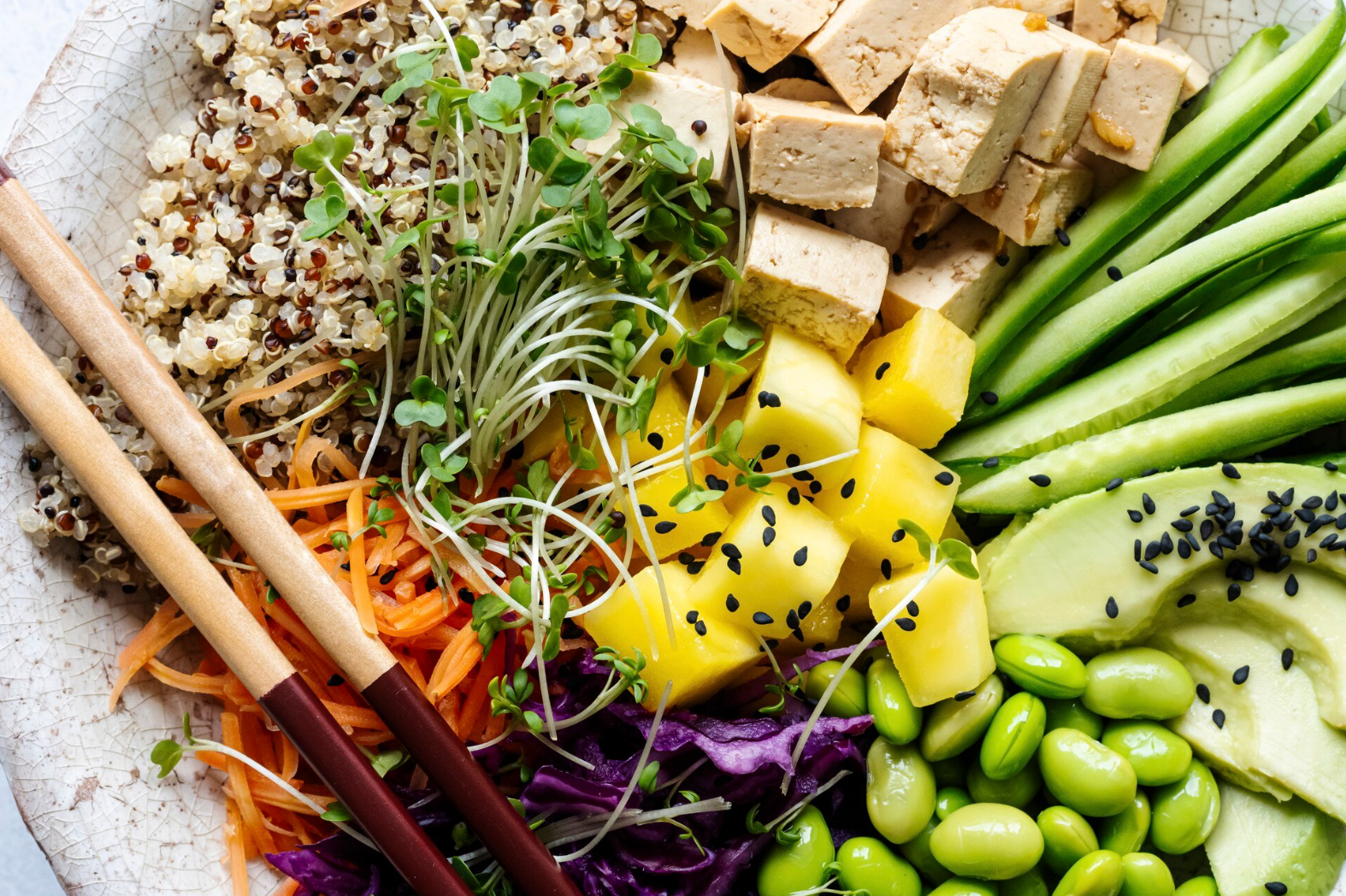
Adopting a plant-based diet can present challenges, particularly when it comes to meeting daily protein requirements. As more people seek alternatives to animal-derived foods, the market for vegan protein has grown extensively. Many health-conscious consumers now look for convenient ways to buy vegan protein that supports their nutritional goals while maintaining a fully plant-based lifestyle. The increase in options ranges from traditional legumes to modern protein powders, catering to a variety of dietary needs, tastes, and lifestyles. Exploring these options can help individuals create a balanced diet that supports overall health while aligning with personal ethics and environmental awareness.
Rising Interest in Vegan Nutrition
Veganism has evolved beyond a dietary preference into a lifestyle for many, driven by concerns for health, environmental sustainability, and animal welfare. In recent years, the number of people adopting plant-based diets has risen sharply, particularly in the UK, reflecting a shift towards food choices that prioritise ethical and ecological considerations. This growing interest has encouraged food manufacturers to develop a wider variety of plant-based products, including protein powders, nutrition bars, and fortified foods, making it easier for consumers to integrate sufficient protein into their daily meals.
Sources of Plant-Based Protein
Protein supports muscle repair, immune function, and hormone regulation. Without animal-derived foods, it is necessary to identify plant-based alternatives that provide these essential nutrients. Traditional sources include beans, lentils, chickpeas, tofu, tempeh, edamame, nuts, and seeds. Beyond these staples, a range of innovative options such as pea protein, hemp protein, and rice protein has become widely available, offering flexibility for personal nutrition strategies.
Pea Protein
Pea protein is extracted from yellow peas and is increasingly recognised for its high digestibility and rich amino acid content. It provides a viable option for individuals with soy or dairy allergies, supporting muscle development and overall protein needs. Its versatility allows it to be incorporated into powders, shakes, and plant-based meat alternatives, making it a convenient choice for daily consumption.
Hemp Protein
Obtained from ground hemp seeds, hemp protein is valued for its combination of protein, essential fatty acids, and dietary fibre. These qualities contribute to digestive health, help maintain muscle mass, and support general well-being. Its naturally nutty flavour pairs well with smoothies, baked goods, and breakfast bowls, adding a subtle taste while enhancing nutrient intake.
Rice Protein
Brown rice protein is hypoallergenic and suitable for people with sensitivities to common allergens. While it may lack certain amino acids on its own, combining it with complementary sources such as pea protein can provide a complete amino acid profile. This flexibility allows users to design a protein intake that meets their nutritional goals without relying on animal products.
Health Advantages of Plant-Based Protein
Plant-based proteins offer benefits that go beyond basic nutrient provision. Many of these proteins are lower in saturated fat and cholesterol compared with animal sources, which supports heart health and reduces the risk of certain chronic diseases. They often contain additional nutrients such as fibre, vitamins, and minerals, contributing to digestion, metabolic function, and long-term wellbeing.
Support for Weight Management
Plant-based proteins can help with maintaining or achieving a healthy weight. Foods rich in fibre and protein tend to increase feelings of fullness, which may reduce overeating. The combination of lower calorie density and nutrient richness makes these protein sources effective for appetite control and sustained energy levels.
Muscle Repair and Performance
Athletes and fitness enthusiasts benefit from plant-based protein when it is strategically integrated into their diets. Vegan protein powders and supplements provide the amino acids necessary for post-exercise muscle repair and recovery. Many users report improved performance and faster recovery periods when plant-based proteins are included alongside training routines.
Environmental and Ethical Factors
Interest in plant-based protein is strongly influenced by the environmental impact of food production. Producing plant-based proteins typically consumes fewer natural resources, such as water and land, and generates fewer greenhouse gas emissions than animal farming. Selecting plant-based options contributes to reducing environmental pressure while supporting sustainable food systems.
From an ethical perspective, plant-based proteins align with concerns for animal welfare. Choosing these sources allows individuals to maintain a nutritious diet without contributing to the challenges associated with livestock farming, offering confidence and alignment with ethical principles.
Choosing the Right Products
The variety of vegan protein products available today ranges from powders and bars to ready-made supplements. When selecting products, careful attention to labels can help identify nutrient content, protein density, and any potential allergens. Certification marks from organisations such as the Vegan Society provide an additional layer of assurance for those prioritising ethical sourcing.
Balancing whole foods with supplement-based protein contributes to a complete dietary approach. Whole foods offer additional micronutrients and fibre that may not be present in concentrated powders, while supplements provide convenience and flexibility for individuals with active lifestyles.
Innovations and the Future of Vegan Protein
Advances in food technology are expanding options for plant-based protein, making it possible to replicate textures and flavours similar to animal-derived products. Emerging sources, including algae and alternative seeds, are being explored to broaden the variety of available protein. Techniques such as fermentation and protein blending improve nutritional value and palatability, allowing more people to maintain a varied and satisfying diet without animal products.
Diversity in protein sources allows individuals to meet nutritional requirements while enjoying different flavours and textures. Ingredients like pumpkin seeds, sunflower seeds, and lentils are increasingly incorporated into products, providing both versatility and enhanced nutrient profiles.

Conclusion
Plant-based protein offers a comprehensive pathway for supporting health, ethical principles, and environmental awareness. By exploring a mix of traditional and modern protein sources, individuals can achieve balanced nutrition while enjoying flexibility in meal planning. Whole foods, supplemented by powders or bars when necessary, provide a sustainable approach to meeting daily protein requirements. With ongoing innovation in food science, the availability, taste, and quality of vegan protein products continue to improve, creating a promising environment for those pursuing a plant-based lifestyle. By understanding the options and applying thoughtful choices, it is possible to maintain a diet that supports wellbeing, satisfies personal values, and minimises ecological impact.