
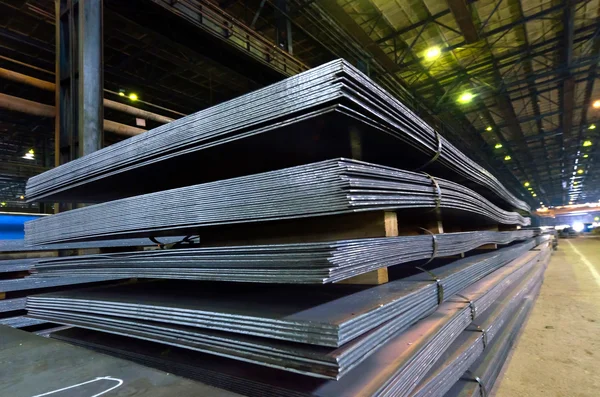
A stainless steel plate is an indispensable material in modern engineering and architecture, renowned for its superior durability, aesthetic appeal, and resistance to corrosion. In today’s world, industries ranging from construction to culinary rely heavily on the unique properties of stainless steel to drive innovation and efficiency across multiple applications. This article delves into the multifaceted uses and benefits of a stainless steel plate, emphasising their impact on various sectors.
Properties and Composition
Stainless steel plates are composed primarily of iron, carbon, and chromium, with the latter typically constituting at least 10.5% of the mixture. This chromium content forms a passive layer of chromium oxide on the surface, which prevents further surface corrosion and blocks corrosion from spreading into the metal’s internal structure. This distinctive property is what gives stainless steel its ‘stainless’ characteristic, making it particularly attractive for a variety of applications.
In addition to its corrosion resistance, stainless steel offers high tensile strength, ductility, and toughness, retaining its integrity under harsh conditions and extreme temperatures. As a result, it can be found in environments where other metals might fail.
Industrial Applications
Architecture and Construction
Stainless steel plates are a cornerstone in the architecture and construction industries, offering both structural support and aesthetic benefits. In terms of construction, they are often used in the building of bridges, facades, and roofing. These plates provide a sleek look while ensuring longevity, reducing the need for frequent repairs or replacements.
Furthermore, the reflective properties of stainless steel can enhance natural lighting within structures, promoting energy efficiency. Its versatility allows architects to create innovative designs that are not only visually appealing but also environmentally conscious.
Automotive and Transportation
The automotive industry utilises stainless steel plates extensively due to their strength and resistance to oxidation. Components such as exhaust systems, trims, and structural elements rely on this material to sustain high performance over time.
In the context of transportation, stainless steel plates are essential in the manufacturing of railway vehicles, shipping containers, and tankers, where reliability and safety are paramount. Their ability to withstand the rigours of regular operation and exposure to the elements makes them an unrivalled choice.
Domestic Utilities
Stainless steel is also prevalent within domestic environments, often appearing in kitchen appliances, cookware, and cutlery. Its non-reactive nature makes it ideal for food preparation and storage, eliminating the risk of contamination and ensuring hygiene. The ease of cleaning stainless steel surfaces and products further underscores its suitability for everyday use.
Household infrastructure benefits too, with applications in plumbing and water systems due to its resistance to corrosion and thermal damage. Stainless steel can thus maintain its functionality over decades, safeguarding home investments.
Renewable Energy Initiatives
Stainless steel plates have a critical role in the promotion of renewable energy solutions. In wind energy systems, they are particularly employed in the fabrication of turbine components, owing to their ability to withstand extreme conditions. The longevity and low maintenance needs of stainless steel contribute significantly to the sustainability of wind farms, making them more economically viable.
Similarly, in solar energy projects, stainless steel ensures the durability of mounting systems for panels, providing robust support structures required over extended periods of exposure.
Oil and Gas Industry
The demanding environments of oil and gas extraction and processing necessitate materials that can endure physical and chemical stress. Stainless steel plates provide the essential durability and resilience needed, whether in the form of pipelines or processing equipment. Additionally, their non-magnetic properties can be advantageous in certain technical environments.
Advances in Manufacturing Techniques
Recent technological advancements have enabled further customisation and refinement of stainless steel plates. Laser cutting and CNC machining have enhanced the precision with which these materials can be prepared, expanding the possibilities for bespoke applications. Developments in alloy compositions have also resulted in variations that offer enhanced properties tailored to specific environments.
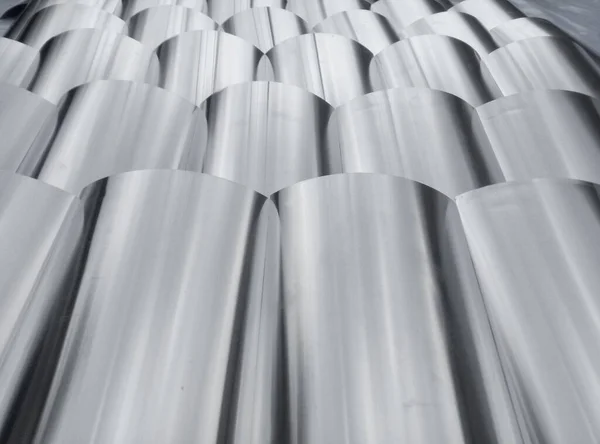
The ability to polish, texture, and colour these plates has broadened their use in decorative applications, making them a favourite among designers aiming for contemporary aesthetics.
Economic and Environmental Considerations
From an economic perspective, the durability and minimal maintenance requirements of stainless steel plates contribute to their cost-effectiveness over time. Although the initial investment may be higher compared to some alternatives, the long-term benefits justify the choice due to reduced repair and replacement needs.
Environmentally, the recyclability of stainless steel stands out, offering a sustainable solution in line with increasing global emphasis on reducing waste. Over 60% of stainless steel is made from recycled materials, reflecting the material’s role in fostering circular economies.
Challenges and Innovations
Despite their numerous benefits, stainless steel plates are not without challenges. The cost of raw materials, primarily chromium and nickel, can fluctuate, influencing production expenses. Additionally, industry players must continually innovate to address issues such as fabrication difficulty and potential brittleness at low temperatures.
Innovations are ongoing to enhance the performance and adaptability of stainless steel. Ongoing research into new alloys, such as duplex and super-austenitic variants, aims to improve characteristics like strength and resistance to pitting, ensuring stainless steel remains a crucial component across industries.
Stainless steel plate remains a testament to human ingenuity in material science, continually adapting to meet the changing needs of diverse sectors while maintaining a focus on sustainability and efficiency. Its versatility and unique properties secure its place as a fundamental asset in both modern industry and daily life. For those seeking more information on available products and a range of services, including the provision of stainless steel plates, exploration of specialised suppliers is recommended.


